

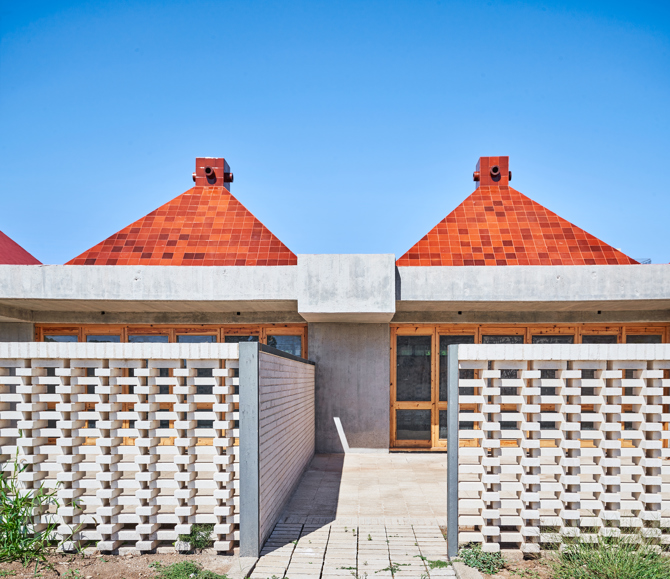
Designed in the late 1960s (1967–1975) by architect Antoni Bonet Castellana, commissioned by Hifrensa (Hispanofrancesa Energía Nuclear Sociedad Anónima), the complex was built to house the workers of the Vandellòs I nuclear power plant and their families.
But Hifrensa is much more than a housing complex.
Bonet envisioned a small community where architecture, landscape and everyday life were closely connected. The project incorporated different types of housing: Class A homes for engineers; single-storey terraced houses, Class B, for technicians; a group of four multi-family homes, distributed over ground and first floors, Class C, for workers; two-storey-plus-ground-floor detached houses; and a residential building for single workers. It also included a school, nursery, sports facilities, a social club and dedicated communal spaces.
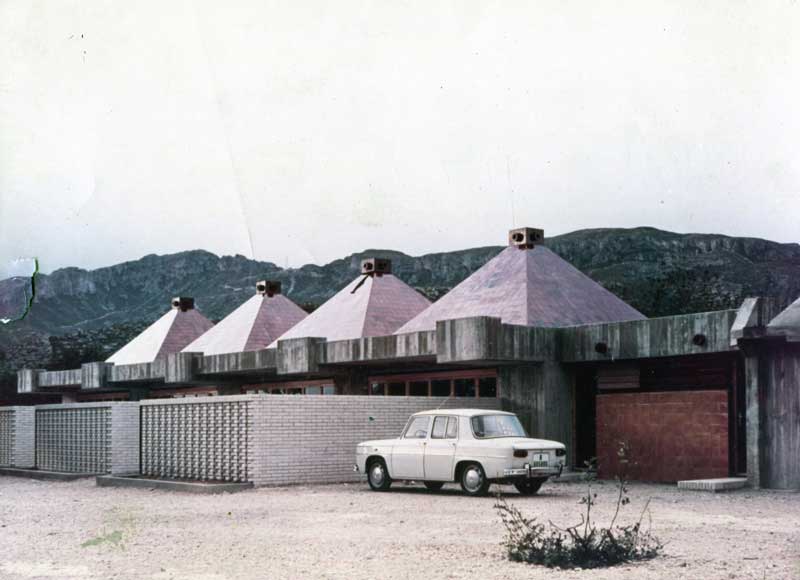
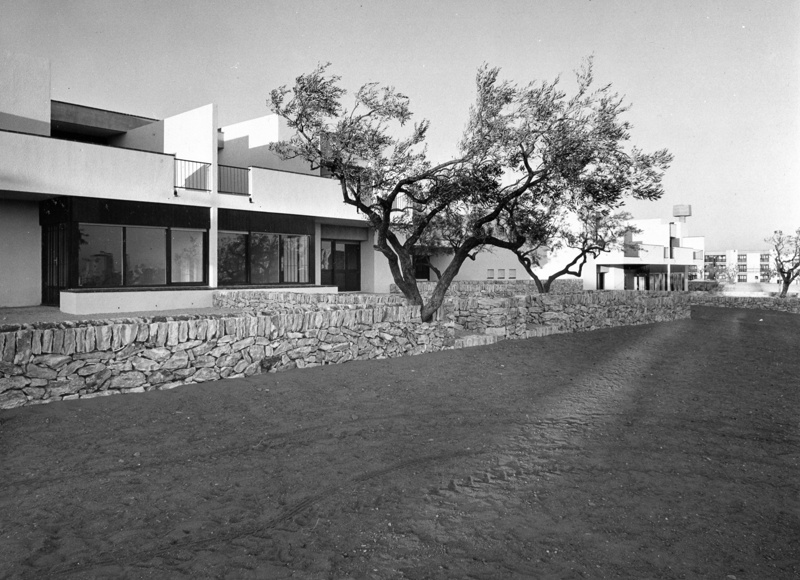
Bonet Castellana did not design a church or commercial premises, as his intention was for the inhabitants of Hifrensa to interact and integrate with the local population of l’Hospitalet de l’Infant.
One of its greatest achievements is the way it integrates into the landscape.
The buildings adapt to the topography and Mediterranean vegetation, while pedestrian paths connect the different spaces and separate everyday life from vehicular traffic.
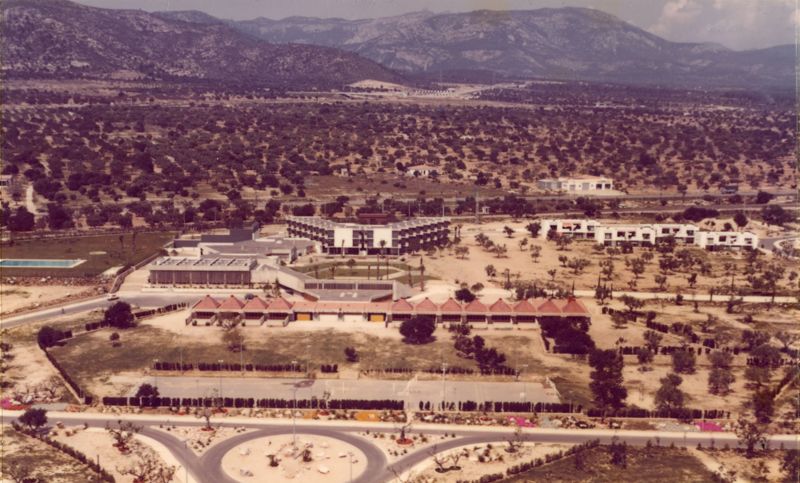
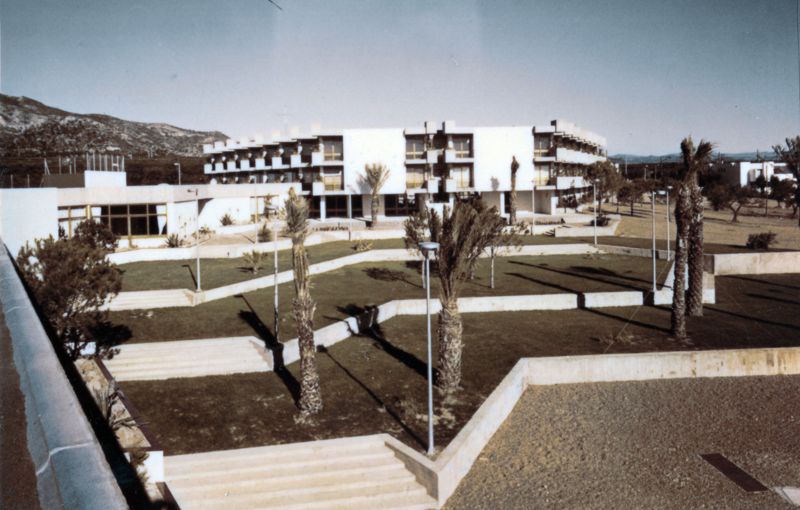
The result is a complex that, more than fifty years later, continues to surprise with its modernity.
Hifrensa reminds us that architecture is not only about building buildings, but about creating places to live.
In 2023, the complex was declared a Cultural Asset of National Interest (BCIN) in the category of Historic Complex, recognising its exceptional architectural and heritage value.